 01
01Recycler / manufacturer
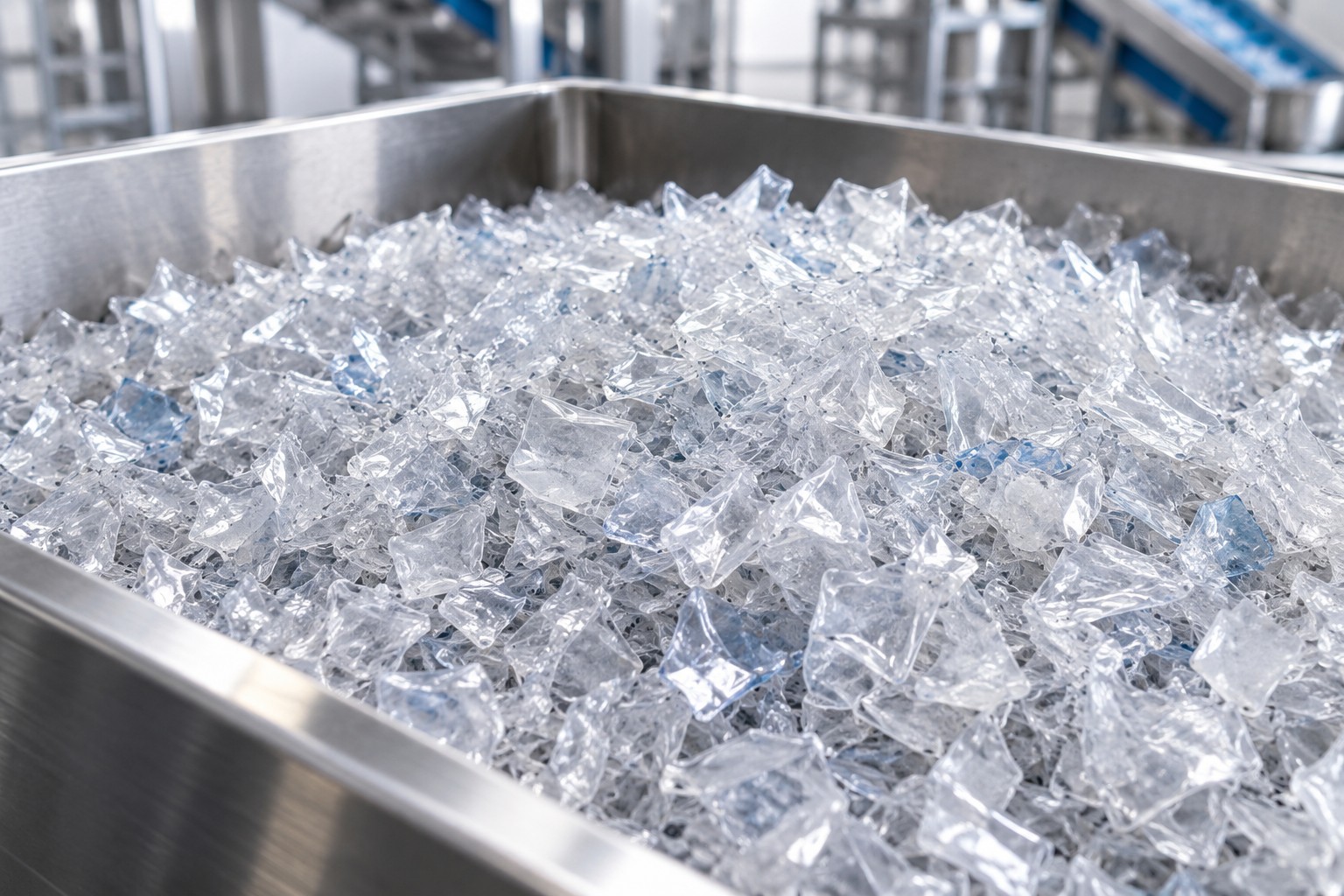
Grinding, washing & drying
Recyclers size-reduce, wash and dry sorted PET into flakes. Clear flakes depend on feedstock colour and separation.
Sorted PET bottles are compacted into bales and supplied to recyclers. The downstream textile route can turn suitable recycled PET into fibre, yarn, fabric and finished garments.
Sorted PET bottles are compacted into bales and supplied to recyclers. The downstream textile route can turn suitable recycled PET into fibre, yarn, fabric and finished garments.
Discuss PET supply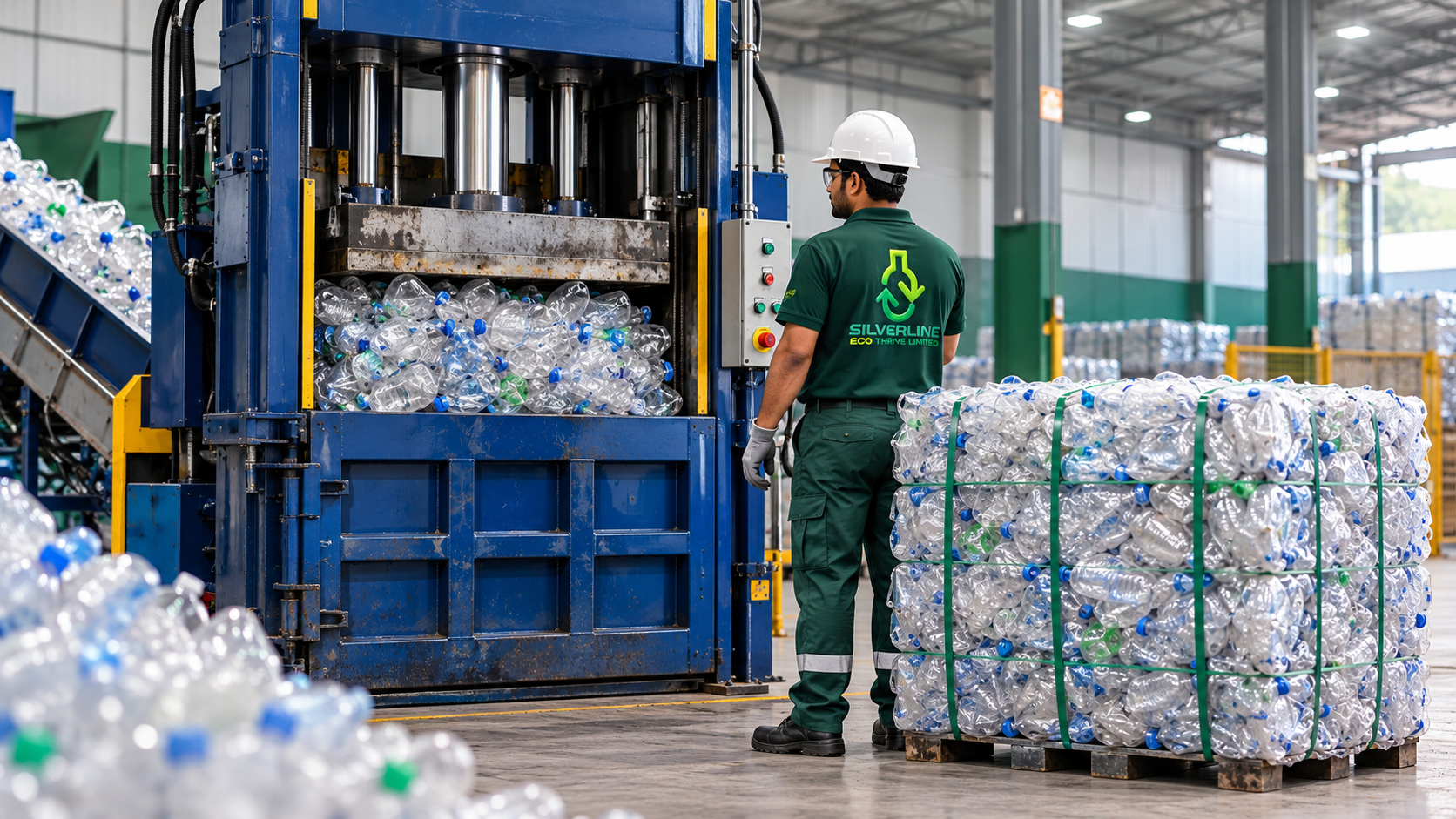 01
01Recyclers size-reduce, wash and dry sorted PET into flakes. Clear flakes depend on feedstock colour and separation.
 02
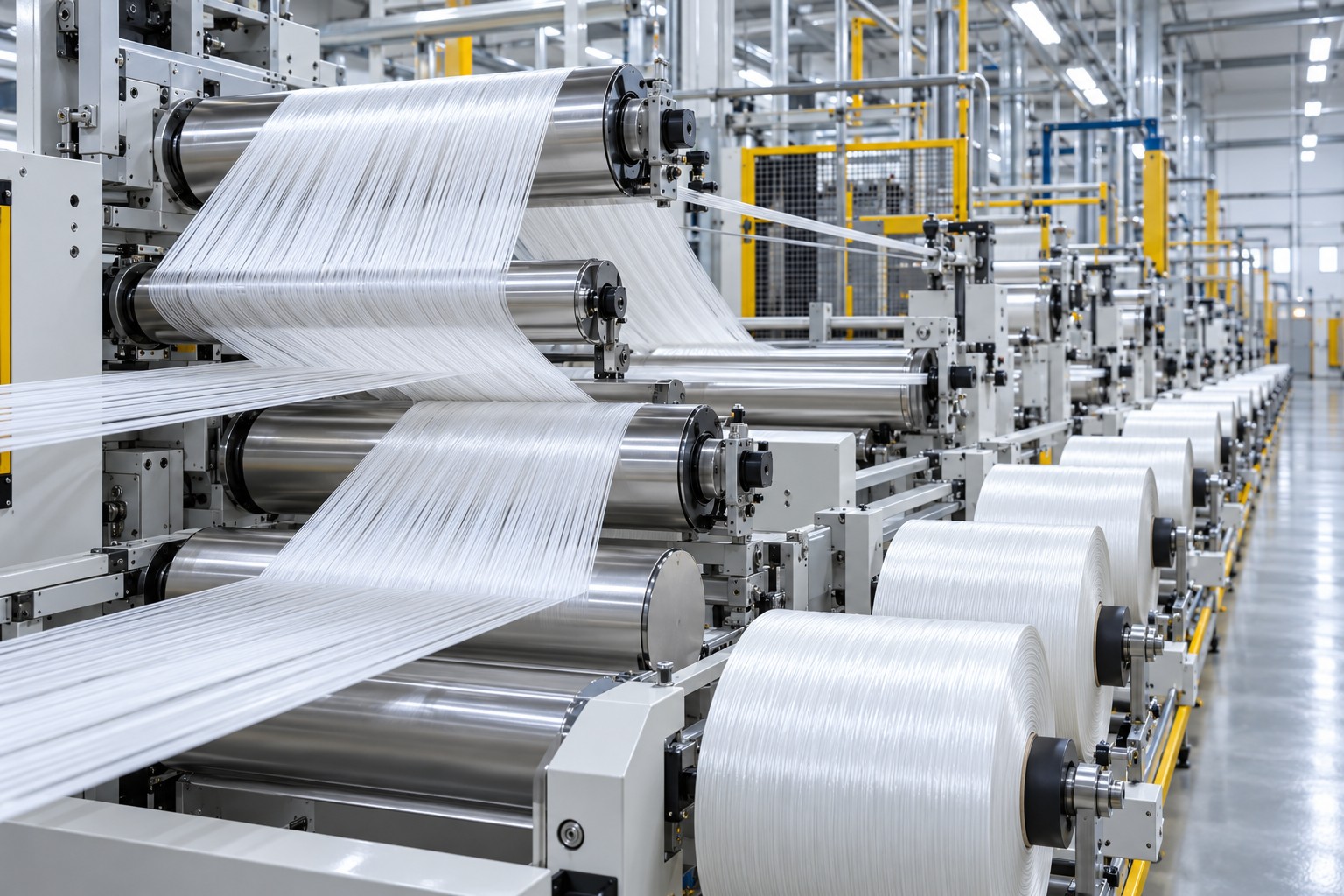
02Suitable PET is dried and melt-filtered, then spun, drawn and cut into polyester staple fibre or processed into filament.
 03
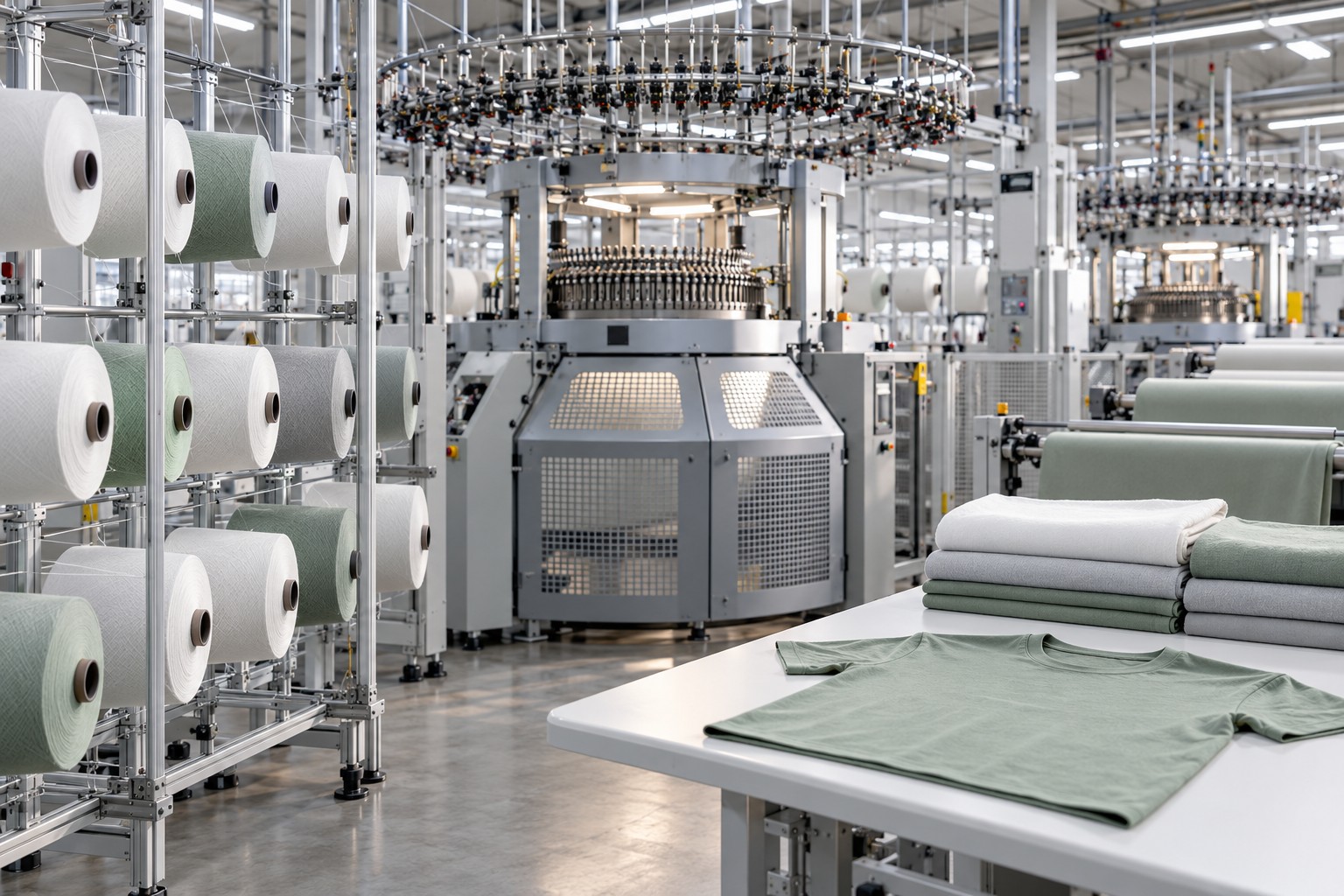
03Textile manufacturers spin staple fibre into yarn, knit or weave fabric, then cut and sew garments such as T-shirts.
Silverline collects, segregates, prepares and supplies recyclable material. The downstream stages shown here are illustrative industry pathways, not a claim that Silverline manufactures the finished products or that every consignment follows this route.
End use depends on polymer purity, grade, recycler capability and applicable product requirements. Recycled material is not automatically suitable for food contact, cosmetics or children’s toys.
Industry reference: Ganesha Ecosphere — manufacturing